Dear Cici:
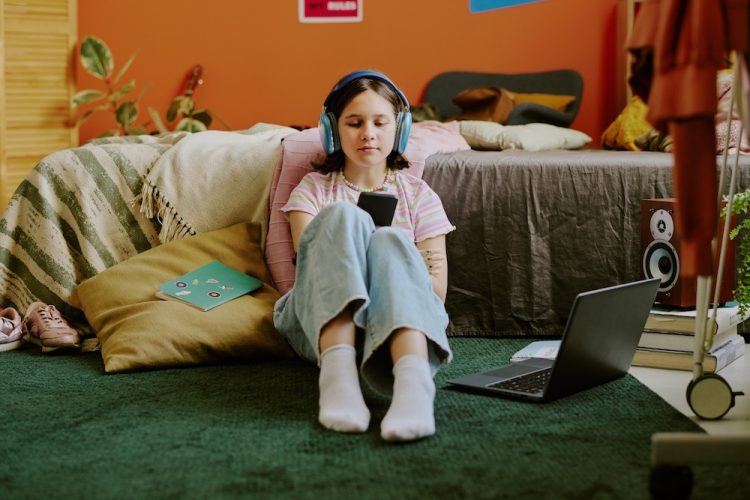
My daughter is acting more and more distant, often just staying in her room and being more private about everything. I want to give her space, but how do I talk to her about this without further pushing her away?
I feel you, this is a hard one.
Why is this happening? At around 12 years old, kids begin to go through the process of separation and individuation. Separation is when teens start to distance themselves emotionally from their parents and seek more independence. Individuation is the development of a unique/distinct sense of self that is separate from their parents. Both of these things need to happen in order for our teens to successfully navigate the world on their own.
Why does it hurt so much? It’s easy to feel rejected or dismissed when our teens start to push us away. Adolescence can be an awkward and even painful experience for both parents and kids. It is a time of transformation and at the end of it, we hope to have a young adult who is confident and independent while maintaining a secure and loving relationship with their parents.
What can I do?
Acknowledge your child’s need for independence. Letting go of control and allowing teens to make their own decisions can be scary. You have spent years caring for this person and doing your best to keep them alive and now you have to allow them the freedom to make their own choices and learn from their mistakes.
Clear and flexible boundaries. Boundaries will help them to feel safe as they begin to practice more independence. As teens demonstrate maturity and gain your trust, the boundaries can adapt. At the same time, you have to respect your teen’s boundaries and their growing need for privacy.
Find opportunities for connection. This one has been helpful in my house; participating in common interests such as volunteering, playing sports, or being creative together can help you connect with your teen outside the usual routine.
Circle back and clear the air. Arguments and disagreements are unavoidable and no one knows how to push our buttons better than our kids. After a blow-up, step away and come back when you and your teen are calmer. Acknowledge your part of the disagreement and take responsibility for your feelings (“I was frustrated. My feelings were hurt and that’s why I got angry”). By doing this you are modeling healthy communication and relationship skills and your teen will appreciate your vulnerability.
Hang in there, just as you survived the terrible twos, you and your kid will get through the turbulent teens. Although your child may be pushing you away she still needs your guidance and support. Checking in with her occasionally will let her know that you are available if she needs you.