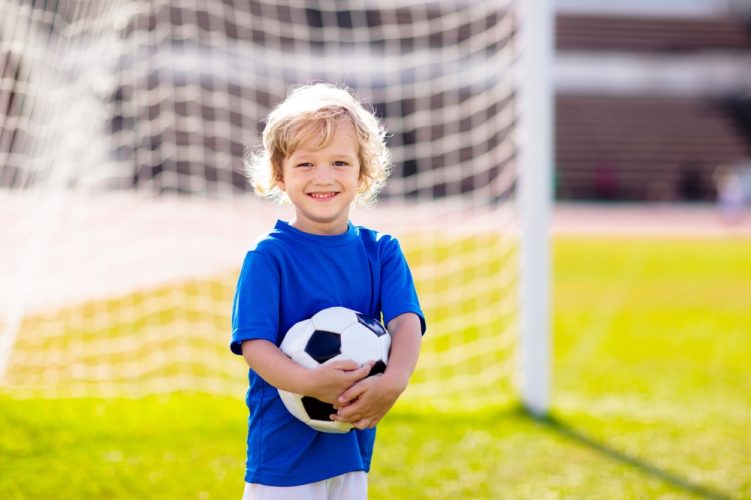
Summer means fun — running outside, going to the beach, and playing sports. But being active also raises the risk of injuries, like broken bones, sprains, and strains.
The good news is that parents, coaches, and caregivers can help keep keiki safe by understanding how injuries happen and taking steps to prevent them.
Elbow, wrist, and ankle fractures are the most common bone breaks in kids, while sprained ankles are the most common soft tissue injuries. These injuries are often caused by falls, such as landing on an outstretched arm or twisting an ankle while running across a playing field.
Certain sports also increase the risk of overuse injuries. These are most common in overhead-throwing sports like baseball, softball, and volleyball, where repetitive motion can lead to stress in the growth plates of a child’s shoulder and elbow. These injuries develop over weeks or months and often go unnoticed until they become serious.
Keep keiki moving and injury-free this summer with a few simple tips:
- Warm up. Coaches can keep practice sessions safe and help kids develop lifelong healthy habits by teaching proper stretching and gradual muscle activation before activity.
- Use the right equipment. Make sure helmets as well as elbow, wrist, and knee pads fit properly and are worn correctly.
- Ramp up slowly. Kids may be eager to jump into new sports, but progressing gradually and building strength with conditioning can help prevent stress injuries.
- Go easy with overhead throwing. Stick to pitch limits and practice cross-training to avoid overuse injuries.
- Don’t forget hydration and nutrition. Regular water breaks and a balanced diet support muscle recovery and overall health.
Even when you’re being careful, injuries can still happen. Most minor injuries can be treated with first aid. Use the “R.I.C.E.” method: Rest, Ice (apply ice packs for 15-20 minutes at a time), Compress (using elastic bandages), and Elevate (keeping the injured limb above the heart to minimize swelling).
While most summer sports injuries are treatable, they can affect a child’s development if they disrupt or damage the growth plates at the ends of the bones. That’s why it’s important for more serious injuries to be checked out by a doctor.
If your child’s pain or swelling persists for more than a few days, if they are unable or unwilling to put weight on the injured limb, or if there is significant bruising, swelling, or disfigurement, seek medical attention. For additional summer sports safety tips, visit mauihealth.org/summersports.
Have a safe, fun, and active summer!
By JJ Eno, MD, Orthopedic Surgeon, Pacific Permanente Group
Maui Memorial Medical Center Outpatient Clinic