Fatima Imara, MD, Inpatient Behavioral Health, Pacific Permanente Group, Maui Memorial Medical Center
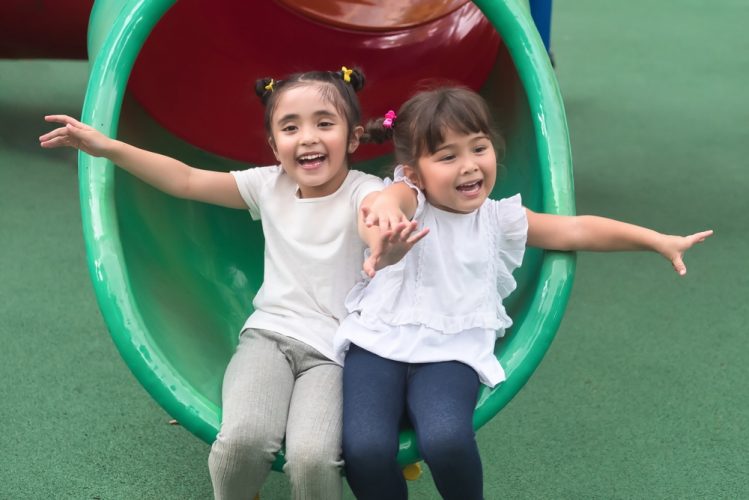
As kids return to school, it’s a great opportunity to discuss the importance of fostering healthy relationships. Learning to get along with friends, resolve conflicts, and maintain healthy boundaries can help keiki navigate more complex relationships later in life. These skills are crucial for a child’s social and emotional development, helping them recognize the difference between healthy and unhealthy relationships.
Here are some tips to help your keiki strengthen their relationship skills:
- Start the conversation. Ask your child what they think makes a good friend. Discuss values like respect, trust, and equality, and let them know they can always talk to you about their friendships. Get to know your child’s friends and their parents.
- Teach boundaries. Talk about respecting boundaries, like asking before taking a toy or respecting a friend’s personal space. Help your child set their own boundaries and how to handle situations when others don’t respect them. This will also help them recognize warning signs of unhealthy relationships.
- Practice consent. Teach your keiki that consent means respecting their own rights and others’. Let them know it’s okay to say no to physical contact or activities they don’t want to participate in. Support their right to say no to hugs or kisses if it makes them uncomfortable and offer alternatives, like a high five.
- Build Empathy. Help your keiki understand how their actions affect others by asking how they would like to be treated. Encourage them to consider how others feel in their friendships.
- Encourage healthy communication. Talk about the importance of listening, taking turns, expressing feelings, and validating others. Discuss what respectful communication looks like, and model it at home.
- Address peer pressure. Peer pressure can start young, so it’s never too early to prepare your child. Role-play responses to situations like vaping or shoplifting and praise good decision-making to build confidence.
- Be a role model. Your child is watching how you navigate relationships. Demonstrate respect, integrity, and empathy in your interactions with others to show them what healthy relationships look like.
- Keep communication open. Let your child know they can always talk to you about their relationships, especially when they face challenges like bullying or conflicts with friends. Your response will build trust, encouraging them to keep coming to you.
Relationships have a powerful impact on health and well-being. By teaching your keiki these essential skills, you empower them to build solid, safe and fulfilling relationships that will support their development throughout their lives.
To learn more about maintaining healthy relationships, visit mauihealth.org/relationships.