What happened to boredom, and can we bring it back?
There are some of us who recall being profoundly bored as children. Perhaps some nostalgia about times when we sat around, wondering what we were going to do for the day, or maybe sent outside, not expected home until the sun went down. There were long swaths of time that rolled out in front of us, unplanned, unstructured, and often unsupervised.
I remember my own kids, who are in their twenties now, complaining of boredom when they were young. At that stage, I went to a talk by Simplicity parenting expert Kim John Payne, who suggested that when our kids come to us saying, “I’m bored,” we respond with, “Oh good!” That suggestion brought a chuckle from the audience; this is not a tactic that comes naturally to most of us. But it is a mindset worth exploring. It’s also one that requires intentionally creating space for.
Many children are not given the chance to be bored. Structured activities have replaced open time, and they likely have some kind of screen to turn to as soon as they have unstructured time. Adults are quick to turn to this tactic as well; the boredom of standing in line at the bank is replaced by standing and scrolling. Payne insists that boredom encourages kids to tap into their creativity and resourcefulness. I would imagine this could extrapolate to adults as well.
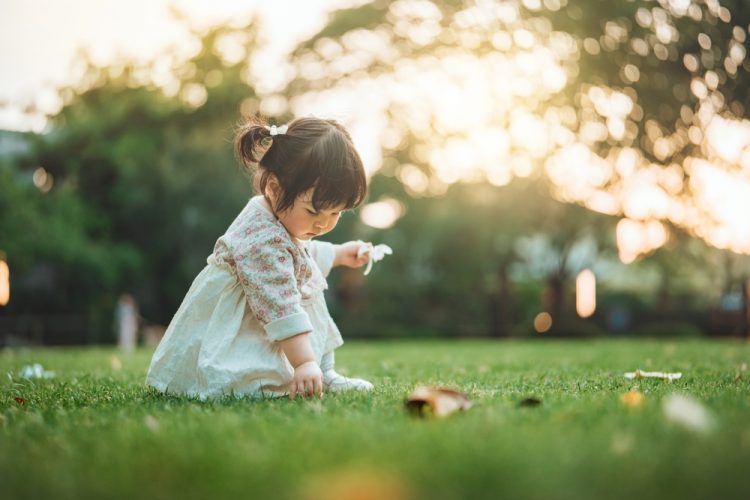
Screen use among children is likely to continue to rise. As parents, we can support the development, especially of young children, by giving them time without screens, and indeed without structured play of any type. Provide art supplies, cardboard boxes, blankets for fort making, or, if they’re old enough, an open door to go outside and discover what is there.
It’s not about turning back time, as tempting as that sounds, but rather helping our kids discover the simple pleasure of watching bubbles become iridescent in the sunlight, pushed here and there by the breeze, or the joy of tumbling down a grassy hill. Ultimately, we support a fuller range of capacities by introducing them to boredom and with two simple words, “oh good”, gifting them the opportunity to see what there is to discover.
Kalia Kelmenson is the creator of The Salt in Us and founder of Maui Mind and Body. mauimindandbody.com. Follow her on Instagram at @thesaltinus.