By Ashley Grainger, BS, RDH
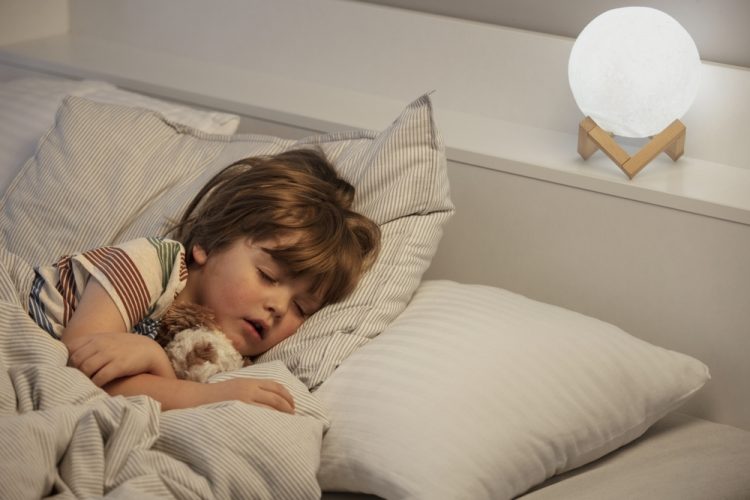
My pillow pressed desperately over my ears, and I lay there trying to muffle the thunderous snores echoing through the house. These weren’t my husband’s occasional rumbles. They belonged to my three-year-old son. How could someone so tiny sound like they were working so hard just to breathe? As a parent, those nighttime sounds can leave you feeling both concerned and helpless, staring at the ceiling, wondering what to do.
As a myofunctional therapist, I know those nights weren’t just about lost sleep. My son’s body was communicating something important about his airway and development. I hear similar stories daily from parents describing nightly teeth grinding, persistent mouth breathing, and enlarged tonsils that crowd the airway. Some share concerns about unsettling pauses in breathing followed by sudden gasps.
What many don’t realize is that these nighttime struggles often connect to daytime breathing patterns and oral habits. Your child’s mouth and breathing are gateways to better sleep, and what happens during the day directly influences what happens at night. When a child’s tongue rests low in their mouth during the day, it often continues this pattern at night, potentially obstructing their airway. Chronic mouth breathing during waking hours typically continues during sleep, bypassing the nose’s natural filtering functions. Poor oral muscle tone can lead to tissue collapse when muscles relax during sleep.
Myofunctional therapy is a non-invasive, exercise-based treatment – essentially physical therapy that retrains the tongue, face, and mouth muscles for proper function. This therapy helps children and adults achieve proper oral rest posture: lips gently closed, tongue resting against the roof of the mouth, teeth slightly apart, and breathing through the nose. It addresses root causes of dysfunction through comprehensive solutions and collaborative care with other healthcare providers. Sometimes habits or structural obstacles like tongue ties or chronic congestion make achieving this posture challenging, but support is available.
While professional evaluation is often needed, there are simple ways to start supporting airway health at home. Start making observations during quiet activities. Are your child’s lips together with gentle nose breathing? Make it playful with lip pops and tongue clicks, blowing bubbles to strengthen lip muscles, or practicing belly breathing. Remind children that “noses are for breathing and smelling; mouths are for eating and talking.”
Our family’s myofunctional journey transformed not only my son’s sleep, but our understanding of how foundational oral habits shape overall health and development. Those concerning 3 am sounds became peaceful, quiet breathing, and more rested days for our entire family.
If breathing or sleep concerns persist, consider seeking evaluation with a myofunctional therapist or other airway-focused healthcare provider. Sometimes simple adjustments create the most restful nights and brighter days.
Ashley is the founder of Maui Myo in Kahului, where she helps families improve sleep and breathing. Learn more at mauimyo.com.