Pregnancy comes with a never-ending parade of surprises, shifts, and changes. Between the dramatic changes to your body, the sometimes uncomfortable ways that others respond to you and your belly, and the emotional roller coaster brought on by hormones swinging faster than a five-year-old on the monkey bars, it can be a challenge to figure out how to prepare for the main event; having a new baby in the house!
Learning how to engage and relax parts of your body will help you through the entire adventure ahead of you. While these moves are not meant to be intense, you should talk to your doctor or midwife before starting any new fitness program.
- Listen to your body. Your body is always sending you signals, and pregnancy is a wonderful time to deepen your ability to listen to what it is telling you. Rather than overriding cues to rest, try honoring the work your body is doing by lying down for a few minutes. Practice body scans; allowing your internal attention to travel the length of your body, as if it were a flashlight, becoming aware of any sensations.
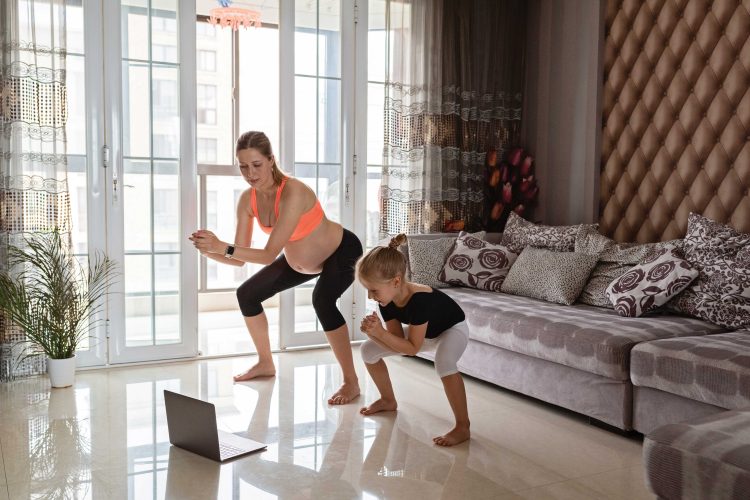
- Squat. There are two kinds of squats you’ll want to include in your pregnancy routine. One of them is what you think of as a fitness move: feet a little wider than hip-width, sit your hips back as you bend your knees. Press through your heels to stand. The second type is excellent preparation for labor. Spend a few minutes at a time in a full squat. Your hips and knees are fully flexed, open your knees and turn your toes out to make space for your belly. Work your way up to a few minutes in full squat a few times per day.
- Cat/Cow. Get into a position where your hands and knees are on the floor, knees under hips, and hands under shoulders. Exhale round through your belly, and inhale as you lengthen through your spine. Be sure to maintain a neutral spine as you inhale; don’t let your belly weight drop. Move in any way that feels good. Push your hips back, roll your spine from side to side, and turn your head. This can help alleviate back pain and the positioning of the baby.
- Kegels. Most practitioners encourage pregnant moms to begin practicing kegels to tone the muscles of the pelvic floor. Find them by stopping your stream mid-pee. In addition to contracting those muscles, it’s important to allow them to fully relax and let go. Developing this mind/muscle connection can be incredibly helpful during labor. This practice will also help your body recover after your baby is born.
Kalia Kelmenson helps female leaders live with purpose and passion without losing themselves along the way. She is the creator of The Salt in Us and founder of Maui Mind and Body. mauimindandbody.com Follow her on Instagram at @thesaltinus